What Drove Popcorn Sutton to the Edge? The Moonshine Icon’s Final Stand.
Popcorn Sutton: The Last Outlaw Moonshiner and Legend of the Smoky Mountains
A Man, A Myth, A Movement
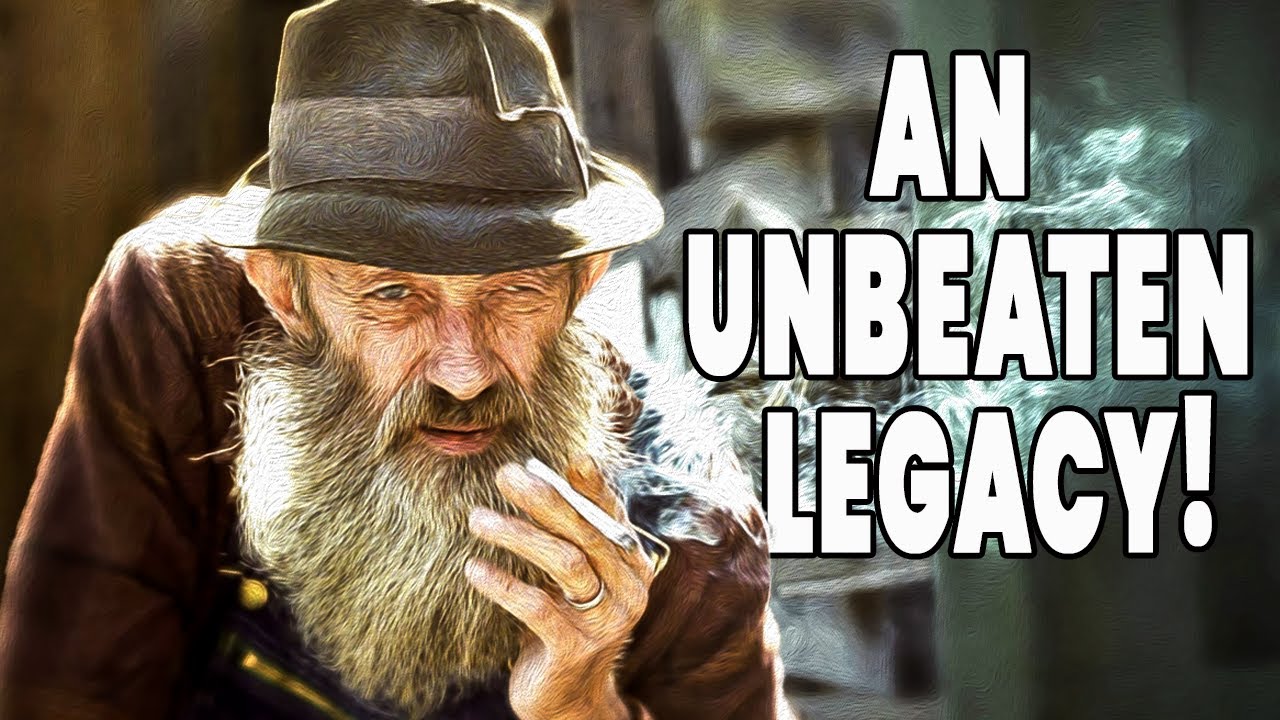
Marvin “Popcorn” Sutton wasn’t just a moonshiner — he was a living legend. An icon of Appalachian rebellion and tradition, Sutton’s life was a cocktail of grit, folklore, and defiance. His tragic death in 2009 only deepened the myth surrounding him. Today, he’s celebrated in murals, songs, and stories, remembered as one of the last true outlaw moonshiners.
Early Life: Born of the Mountains
Born on October 5, 1946, in the rugged hills of Western North Carolina, Popcorn Sutton grew up in the shadow of the Great Smoky Mountains National Park. His ancestors had lived for generations in Hemphill and Cataloochee, thriving on farming, bartering, and pure Appalachian resilience.
His childhood was steeped in the simplicity of mountain life: picking tomatoes for pennies, pulling weeds for livestock feed, and growing up in a community where the only phone line was reserved for the undertaker. This humble upbringing laid the foundation for a life marked by self-reliance and rebellion.
Becoming a Moonshiner: Defiance in a Jar
Moonshining wasn’t just a job for Popcorn — it was heritage. He learned the craft from his father and neighbors, continuing the Scotch-Irish distilling tradition brought to the Southern Appalachians centuries earlier.


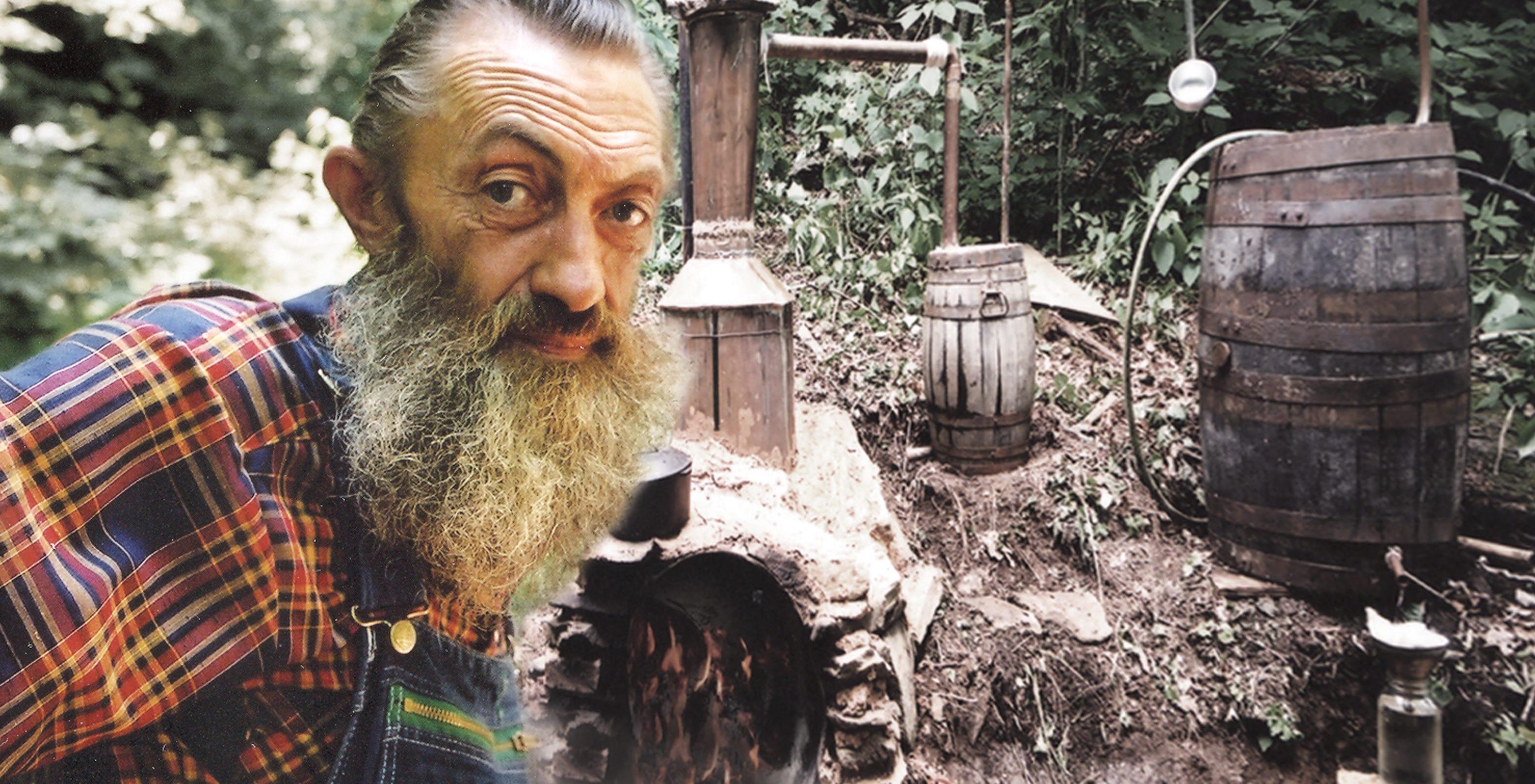
By the age of 16, he was experimenting with stills, and by 20, moonshining had become his full-time pursuit. His infamous nickname came after he smashed a malfunctioning popcorn machine in a bar fight — a perfect symbol of his lifelong rejection of authority.
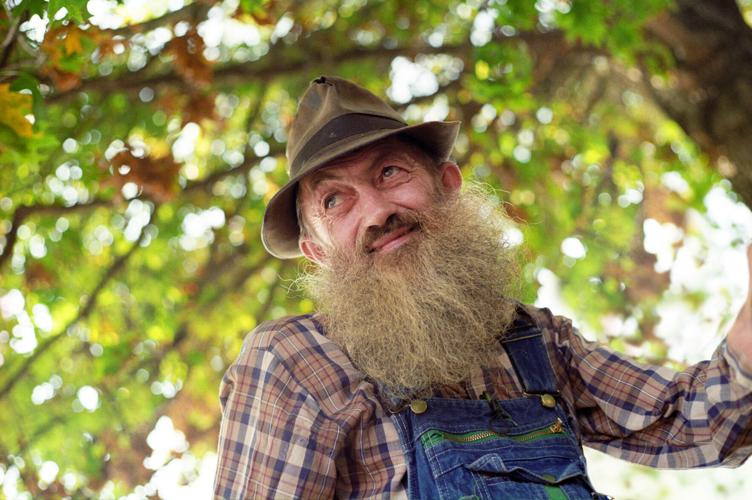
From his roadside antique store in Maggie Valley, North Carolina, Sutton sold more than trinkets. He sold whiskey, stories, and an image: the bearded outlaw in a beat-up fedora with a sharp tongue and a sharper still.
Rise to Fame: Folk Hero and Rebel Star
In 2002, Sutton starred in a homemade documentary titled “This is the Last Dam Run of Liquor I’ll Ever Make.” Shot with minimal budget and maximum charm, the VHS tapes sold out of his trunk and spread across the country. National networks took notice. Soon, Sutton was featured in documentaries on the History Channel and CMT.
He became a regular at Appalachian heritage festivals, offering demonstrations (and samples) of his craft. His charisma and unapologetic attitude turned him into a counterculture folk hero. Fans flocked to buy his whiskey, merchandise, and even his self-published book, Me and My Likker.
Legal Trouble: A Rebel Under Fire
Behind the scenes, however, Popcorn was still making massive batches of illegal moonshine at his Tennessee property. In 2007, a fire led authorities to uncover a still, along with 1,700 gallons of moonshine. He rebuilt, and the feds came back with a sting operation.
In 2009, Sutton was sentenced to 18 months in federal prison. But confinement wasn’t in his nature. Just 10 days before he was due to report, he died by suicide. He was found in his favorite car — a weathered Ford Fairmont — purchased with three jars of moonshine.
Legacy: Immortal in the Mountains
Popcorn’s death did not end his influence — it magnified it. Today, festivals honor him, ballads recount his stories, and murals paint his face across southern cities like Asheville and Nashville.
To his fans, he was more than a man — he was a symbol. A symbol of freedom, anti-government resistance, and old Appalachian values. They remember him as “one of the last real men,” and a martyr to a dying way of life.
Reality vs. Myth: The Man Behind the Legend
Yet, beneath the legend was a deeply human man. Fiercely independent, proud of his heritage, and unwavering in his rebellion, Sutton also struggled with the law and personal demons. His story is one of conflict — between tradition and progress, law and liberty, myth and man.
Final Words: “When I’m Gone, the Damn Liquor’s Gone”
Popcorn Sutton once said, “When I’m gone, the damn liquor’s gone. And I’m just about gone.” He was right about the first part, but not the second. Popcorn may have passed, but his spirit lives on in every mason jar filled in defiance and every soul who dares to live on their own terms.
Marvin “Popcorn” Sutton will forever be remembered not only as a moonshiner, but as a symbol of Appalachian pride, resistance, and authenticity in a world that often forgets its roots.